FHA Inspector Checklist: What Does an FHA Inspection Look For?
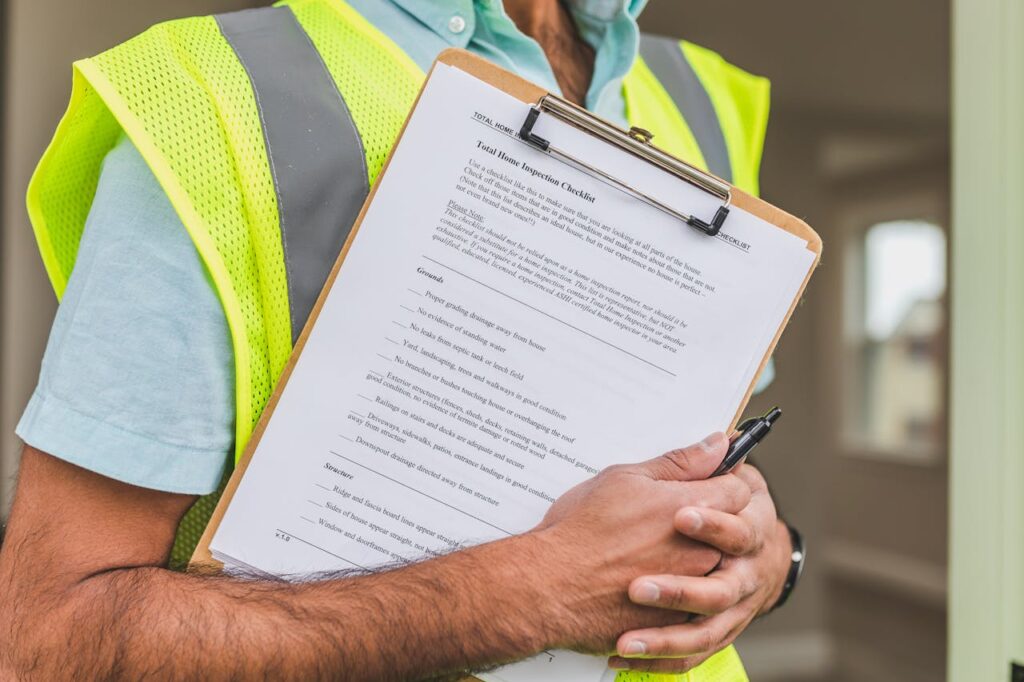
When buying or refinancing a home with FHA financing, the property must meet specific safety and habitability standards. An FHA inspection is designed to ensure the home is safe, structurally sound, and free from hazards that could affect occupants. Understanding what inspectors look for can help homeowners, buyers, and builders prepare in advance and avoid delays during the approval process.
This guide breaks down the FHA inspector checklist so you know exactly what to expect during an inspection and how to address potential issues before they become problems.
Structural Safety and Foundation Condition
One of the first things an FHA inspector evaluates is the overall structural condition of the home. The property must be safe, stable, and free from major defects that could affect its integrity.
Inspectors typically look for signs of foundation movement, large cracks in walls or ceilings, and evidence of structural deterioration. Roof framing, load-bearing walls, and visible support structures are also reviewed. Any indication that the home may not be structurally sound can result in required repairs before approval.
Roofing and Exterior Protection
The roof is essential in protecting the home from water intrusion and weather damage. FHA inspectors carefully check for missing shingles, deteriorated roofing materials, and visible leaks.
They also evaluate flashing around chimneys, vents, and roof edges to ensure proper sealing. Outside the home, siding, exterior walls, and drainage conditions are inspected for damage or openings that could allow water penetration. Proper exterior protection helps maintain the home’s safety and long-term durability.
Electrical System Safety
Electrical safety is a major focus during an FHA inspection. The system must be safe, functional, and free of hazards that could lead to fire or shock.
Inspectors commonly check for proper grounding, functioning outlets, and secure electrical panels. Issues such as exposed wiring, missing outlet covers, open breaker slots, or a lack of GFCI protection in kitchens, bathrooms, garages, and exterior areas are frequently flagged. All electrical components must operate safely and meet basic standards.
Plumbing and Water Systems
Plumbing systems are reviewed to ensure there are no active leaks and that water supply systems are functioning properly. FHA inspectors look closely at sinks, toilets, bathtubs, and visible piping for signs of leakage or damage.
Water heaters must also meet safety standards. This includes proper installation, secure connections, and a functioning temperature and pressure relief valve discharge system. Any plumbing issue that could lead to water damage or safety concerns must be corrected before approval.
Heating, Cooling, and Mechanical Systems
A functioning heating system is required for FHA approval. Inspectors verify that the heating system works properly and is capable of maintaining a safe indoor temperature.
Air conditioning systems, while not always required, are still evaluated for safety and condition when present. HVAC systems must be properly installed, vented, and maintained. Improperly installed or non-working systems are common reasons for required repairs.
Interior Safety Hazards
Inside the home, FHA inspectors look for hazards that could affect occupant safety. This includes missing or non-functioning smoke detectors, damaged flooring, exposed nails, and unsafe building materials.
Windows must operate properly and provide safe emergency escape routes in bedrooms. Broken glass, stuck windows, or blocked egress points are commonly flagged issues. The goal is to ensure a safe and livable environment for occupants.
Stairways, Decks, and Fall Protection
Stair safety is another important part of the inspection process. Inspectors check for secure handrails on stairs with multiple risers and evaluate stair stability.
Decks, balconies, and elevated walkways must have proper guardrails. Openings in railings must not exceed safety limits, as large gaps can pose fall risks. Any unstable or deteriorated structure in elevated areas must be repaired before the home can be approved.
Common Issues That Delay FHA Approvals
Many FHA inspection delays are caused by simple, preventable issues. The most common findings include:
- Missing handrails on stairs
- Electrical hazards such as open boxes or missing covers
- Plumbing leaks
- Broken windows
- Roof damage or leaks
- Missing or damaged smoke detectors
- Unsafe deck or porch railings
- Heating system failures
These issues are often minor but must be corrected before the loan process can move forward.
Final Thoughts
An FHA inspection is designed to protect buyers and ensure homes meet minimum safety standards. While the checklist may seem detailed, most required repairs are straightforward and easy to fix when identified early.
Understanding what FHA inspectors look for helps homeowners and builders prepare in advance, avoid surprises, and keep transactions on schedule. A well-maintained property not only passes inspection more easily but also provides long-term safety and value for its occupants.
Schedule your FHA inspection with Art Neidich Property Inspection & Consulting today. Get expert guidance, detailed reporting, and a smooth approval process from start to finish.